
Surface defects are one of the most common quality questions raised about molded silicone parts. On a finished piece, a streak, dark line, pale patch, small bubble or rough edge stands out quickly even when the shape and size are correct. Most of these issues fall back to material, mold or handling rather than the silicone itself, and separating the source makes prevention and inspection far easier.
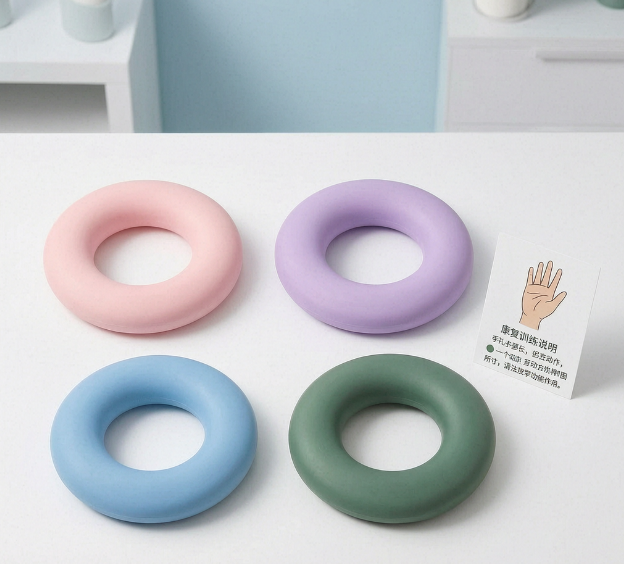
Dark lines and uneven coloring often come from uneven pigment mixing, residue carried over from a previous run, or a mold cavity that has not been cleaned between colors. If pigment is not blended evenly through the base material, the batch can show streaks or patches; if a dark color remains in the cavity or runner, it can mark the next lighter run. Prevention here starts with controlled color mixing and a clean mold before each color change, so a fresh batch does not pick up leftover material from the last production run.
Sticking or tearing along the edge usually points to a worn mold surface, inadequate release or a demolding step that pulled too early. A mold cavity that is scratched or dull can hold the part, and an edge that tears on release leaves a rough flash or a missing corner. Checking mold condition, release treatment and cure timing helps reduce this type of damage, and parts should not be pulled from the cavity before the material has set enough to hold its shape.
Air pockets show up as small bubbles under the surface, and they are usually tied to the pouring or molding pressure and the cure conditions. Where air is trapped while material fills the cavity, it can leave a round mark that does not press out afterward. Adjusting how the material enters the cavity, pressure and cure temperature lowers the chance of trapped air, and inspecting the face right after demolding catches bubble-affected units before they move into finishing.
Surface dust or fiber marks usually appear after demolding, when parts are handled on a dirty bench, set down on loose fabric, or wiped with a cloth that sheds. These marks are often the result of the working environment rather than the mold itself. Keeping the inspection and packing area clean, using lint-free wiping material and handling parts on a clean surface reduces fiber and dust picking up on the still-soft or tacky surface.
Prevention in practice starts with clean molds and controlled color mixing, followed by consistent cure temperature and pressure. Parts should be inspected right after demolding so a bad batch can be isolated early instead of moving into packaging. When a recurring defect appears, keeping the sample along with the run parameters makes it easier to trace whether the cause is material, tooling or process. For buyers placing custom orders, asking to see sample inspection points and how defect types are separated gives a clearer picture of the supplier's quality routine, and the approved sample should be retained to compare later production runs against.
TEL: +86(0)13926850059 * Mon - Fri 8:00 - 17:00
Mail: zwei@hwako.hk